Research status: Desk research, not personally tested. Formulation details and market benchmarks checked 20 September 2026.
The short answer
Japanese skincare treats post-sun hyperpigmentation through the strict regulatory framework of Quasi-Drugs (Iyakubugaihin). Unlike Western vitamin C serums that often push unstable, low-pH pure ascorbic acid at extreme concentrations (15–20%)—frequently triggering stinging, erythema, and rapid bottle oxidation—Japanese laboratories emphasize stabilized derivatives, micro-penetration vehicles, and anti-inflammatory pairing (such as Dipotassium Glycyrrhizate).
On @cosme’s brightening serum rankings and MAQUIA expert reviews in September 2026, Rohto’s Melano CC line, Obagi Medical Japan C series, and Transino White C retain dominant mindshare. The critical insight for tropical wearers: a lower concentration delivered in an anhydrous or lipid-stabilized vehicle prevents both product degradation in humid heat and midday facial greasiness under sunscreen.
Three bottles, three brightening strategies
1. Rohto Melano CC Premium Brightening Essence
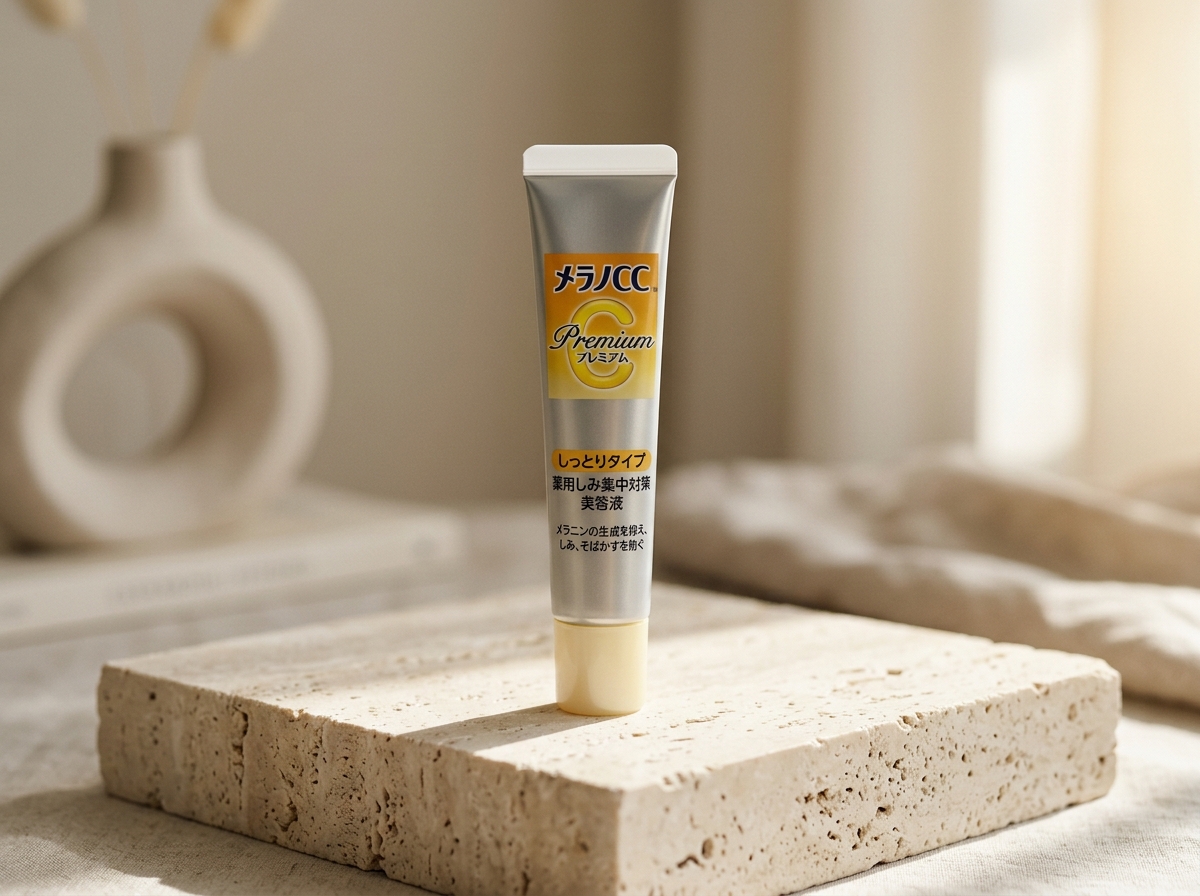
Rohto’s official directions specify dispensing four to five drops onto clean palms or fingertips once or twice daily after watery lotion. The formula is designed for targeted spots or to be smoothed gently across the entire face.
Melano CC Premium combines pure L-ascorbic acid with three stabilized vitamin C derivatives, pyridoxine hydrochloride (Vitamin B6), and dipotassium glycyrrhizate. Its key engineering feature is an anhydrous (water-free) base housed in Rohto’s patented tube with a one-way micro-nozzle. Air cannot enter the tube even when squeezed and released, preventing the ascorbic acid from turning brown. In tropical climates, it absorbs within 60 seconds with a dry-oil slip that does not pill under daily sunscreen.
Official price benchmark: RM65 / Rp 210.000 / $16 (20 mL).
2. Obagi Medical Japan C25 Serum Neo
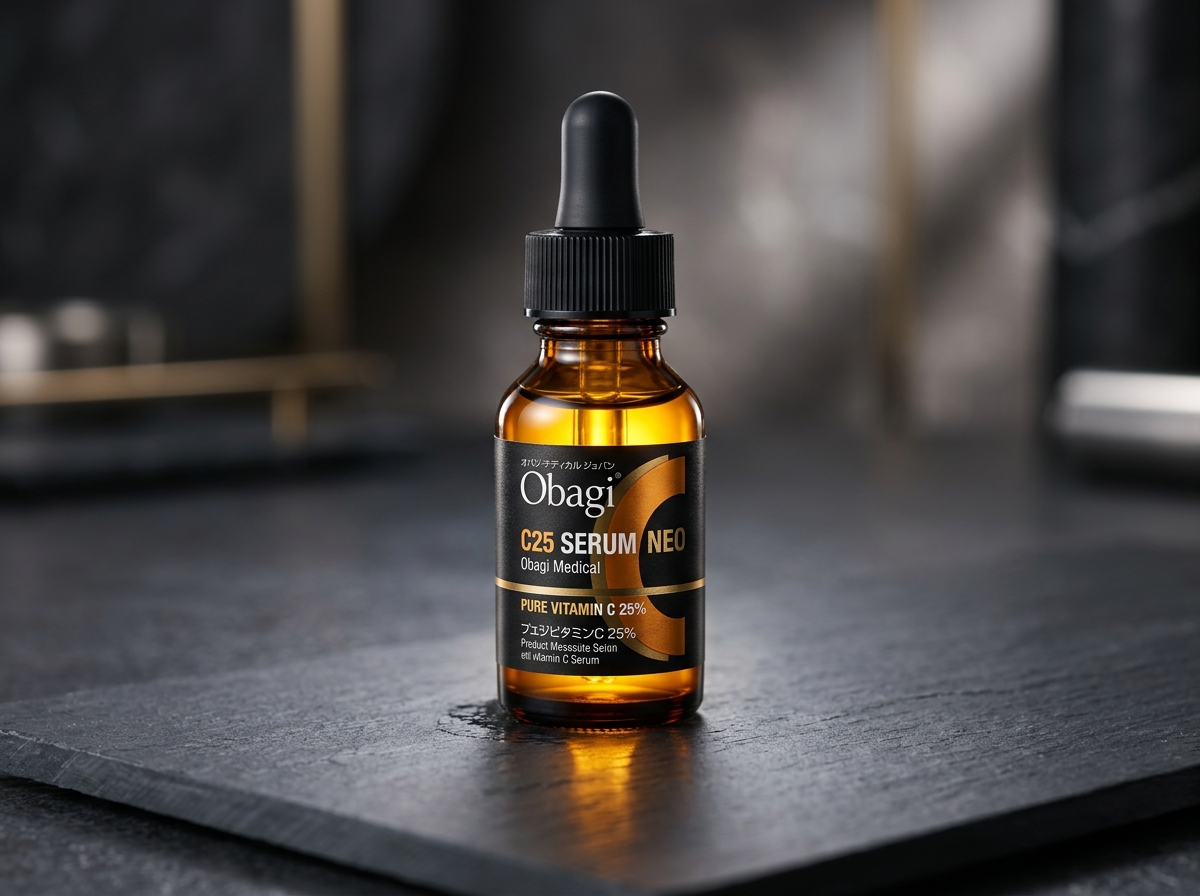
Rohto Japan’s official directions recommend dispensing four to five drops into the palm of your hand morning and night after preparing the skin with lotion. Gently blend from the center of the face outward, paying special attention to areas with stubborn pigmentation or uneven texture.
Obagi C25 Neo represents the technical ceiling of pure vitamin C concentration in J-Beauty, delivering 25% pure L-ascorbic acid alongside tocopherol (Vitamin E) and white gardenia extract. It utilizes Rohto’s proprietary "Advanced C Control" solvent matrix, holding high-potency ascorbic acid in solution without acidic degradation. Because it carries a richer, humectant-dense texture, users in humid cities should allow a 90-second settle time before layering moisturizer or sunscreen.
Official price benchmark: RM460 / Rp 1.550.000 / $110 (12 mL).
3. Transino Whitening Essence EXII
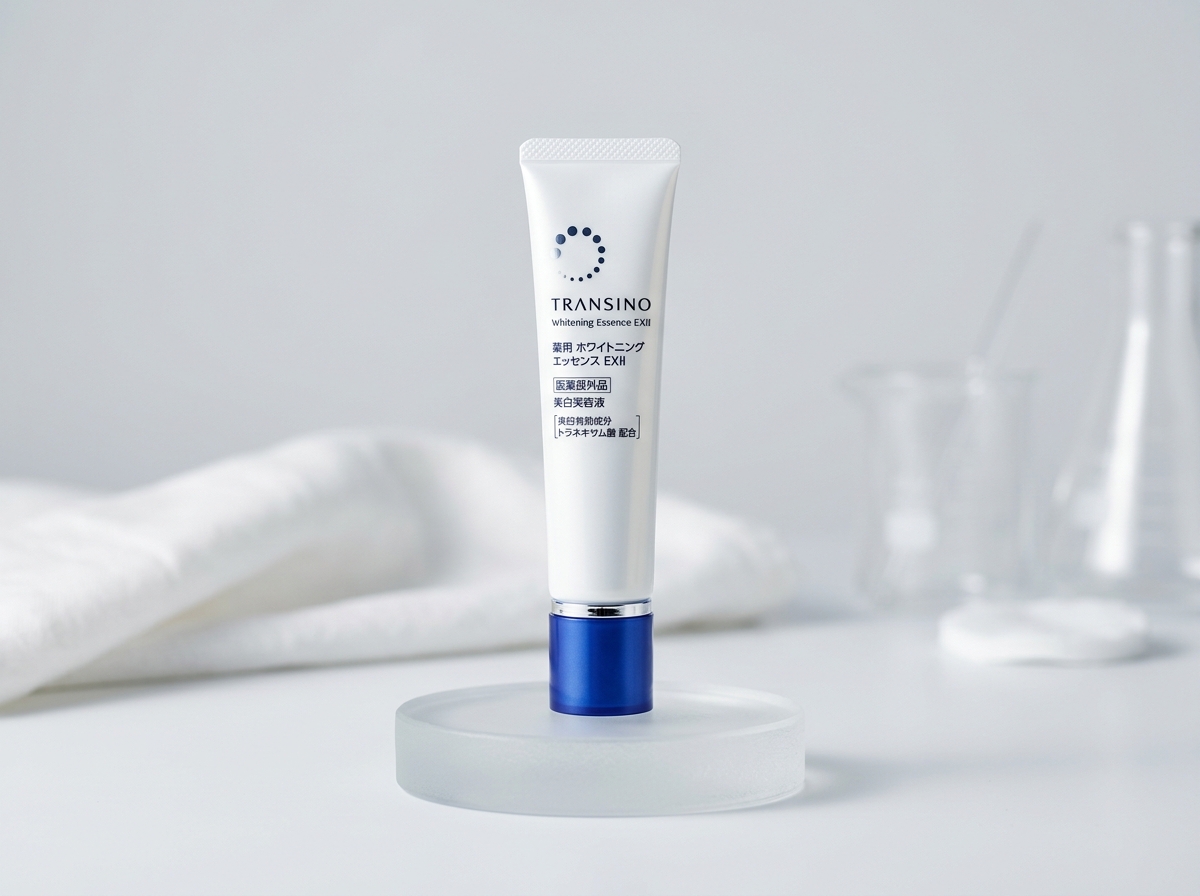
Daiichi Sankyo Healthcare directs users to smooth a pearl-sized amount (approximately 0.3g) onto fingertips after lotion, dotting across the forehead, cheeks, nose, and chin before blending outward toward the hairline.
Transino Whitening Essence EXII is a Quasi-Drug emulsion built around pharmaceutical-grade tranexamic acid paired with trehalose sulfate. Unlike direct exfoliating acids, tranexamic acid interrupts the inflammatory biochemical communication between keratinocytes and melanocytes. Melasma and post-sun discoloration in Southeast Asia are frequently exacerbated by high ambient UV combined with chronic heat-induced capillary flushing. Transino addresses this specific vascular/inflammatory pigment pathway with zero stinging.
Official price benchmark: RM195 / Rp 680.000 / $48 (30 g).
The science: Pure Ascorbic Acid vs. Stabilized Derivatives
When sunlight strikes unprotected skin, reactive oxygen species (ROS) trigger melanocytes to produce melanin via tyrosinase enzyme oxidation. Japanese formulations intercept this pathway using distinct delivery mechanisms:
- Direct Tyrosinase Reduction (Pure L-Ascorbic Acid): Immediately reduces dopaquinone back into DOPA, reversing melanin oxidation in the upper epidermis. However, pure ascorbic acid oxidizes rapidly in aqueous environments upon contact with air, light, or ambient heat above 25°C, turning amber and losing antioxidant potency.
- Slow-Release Cleavage (Ascorbyl Glucoside): Chemically bonded with a glucose molecule. This structure is photostable and heat-resilient, undergoing gradual enzymatic cleavage into active ascorbic acid within the upper epidermal layers without sudden acidic shock.
- The Anti-Inflammatory Anchor (Dipotassium Glycyrrhizate): A licorice root derivative ubiquitous in Japanese Quasi-Drugs. By quenching sub-clinical follicular micro-inflammation caused by tropical heat and sweat, it prevents secondary post-inflammatory hyperpigmentation (PIH) before dark marks consolidate.
Evidence boundary: Topical vitamin C can visibly diminish post-blemish red marks and improve surface radiance over an 8- to 12-week timeframe. It cannot physically remove deep dermal pigmentation or replace daily broad-spectrum SPF 50+ protection.
Technique & routine guidance: The 90-second settle
Applying vitamin C correctly in warm, humid weather requires respecting product absorption kinetics:
- Layering Sequence: Gentle Cleanser → Hydrating Watery Lotion → Vitamin C Serum (Wait 90s) → Lightweight Emulsion or Gel → Sunscreen (Morning).
- The 90-Second Settle: Wait 90 seconds after applying an anhydrous or active serum. This allows the carrier glycols to bond with skin proteins, preventing sunscreen from pilling or balling up along the jawline.
- Avoid Morning Acid Stacking: Do not layer high-strength pure vitamin C simultaneously with exfoliating AHA or BHA toners in the morning under humid conditions. Combining low-pH acids with tropical perspiration compromises the skin barrier and induces stinging.
Layerwise climate note: Kuala Lumpur, Jakarta & Tokyo/US
In Kuala Lumpur and Jakarta, ambient humidity exceeds 80% with daytime heat surpassing 32°C. Traditional aqueous vitamin C dropper bottles often oxidize into dark yellow liquid within 3 to 4 weeks of bathroom storage. Anhydrous formulas like Melano CC or milk emulsions like Transino stay stable and will not degrade or stain light linen shirts during daily commutes.
In Tokyo and the United States, autumn and winter bring sharp drops in ambient humidity and indoor heating dryness. A richer humectant serum like Obagi C25 Neo provides intensive antioxidant protection without surface shine, supporting lipid moisture retention against dry outdoor winds.
Seven-day observation checklist
For your first week with a Japanese brightening serum, track four tangible indicators:
- Ocular Comfort: Verify that midday forehead perspiration does not carry serum down into the eye contour, producing stinging or irritation.
- Sunscreen Adherence: Check whether your daytime sunscreen applies smoothly without rolling into tiny rubbery clumps at the hairline.
- Oxidation Stability: Inspect the dispenser tip and your towel for any yellowish or orange staining, confirming the formula remains unoxidized.
- Pore Response: Ensure no micro-congestion or tiny white bumps appear along the sides of the nose after seven consecutive days of use.
Stop-use and medical boundaries
Cosmetic and Quasi-Drug brightening essences are designed for superficial tone evening and post-blemish recovery; they are not medical treatments for skin disease. If your skin exhibits open lesions, persistent peeling, severe erythema, burning, or sudden itching, discontinue use immediately. Any asymmetrical, changing, or irregular pigmented lesion must be examined promptly by a board-certified dermatologist.